Stop wondering. Start growing.
Plan a food forest that fits your land and your life.
Food Forest Planner helps families go from “maybe someday” to a clear next step on real land. We’re building the full planner now. Join the waitlist for early access.
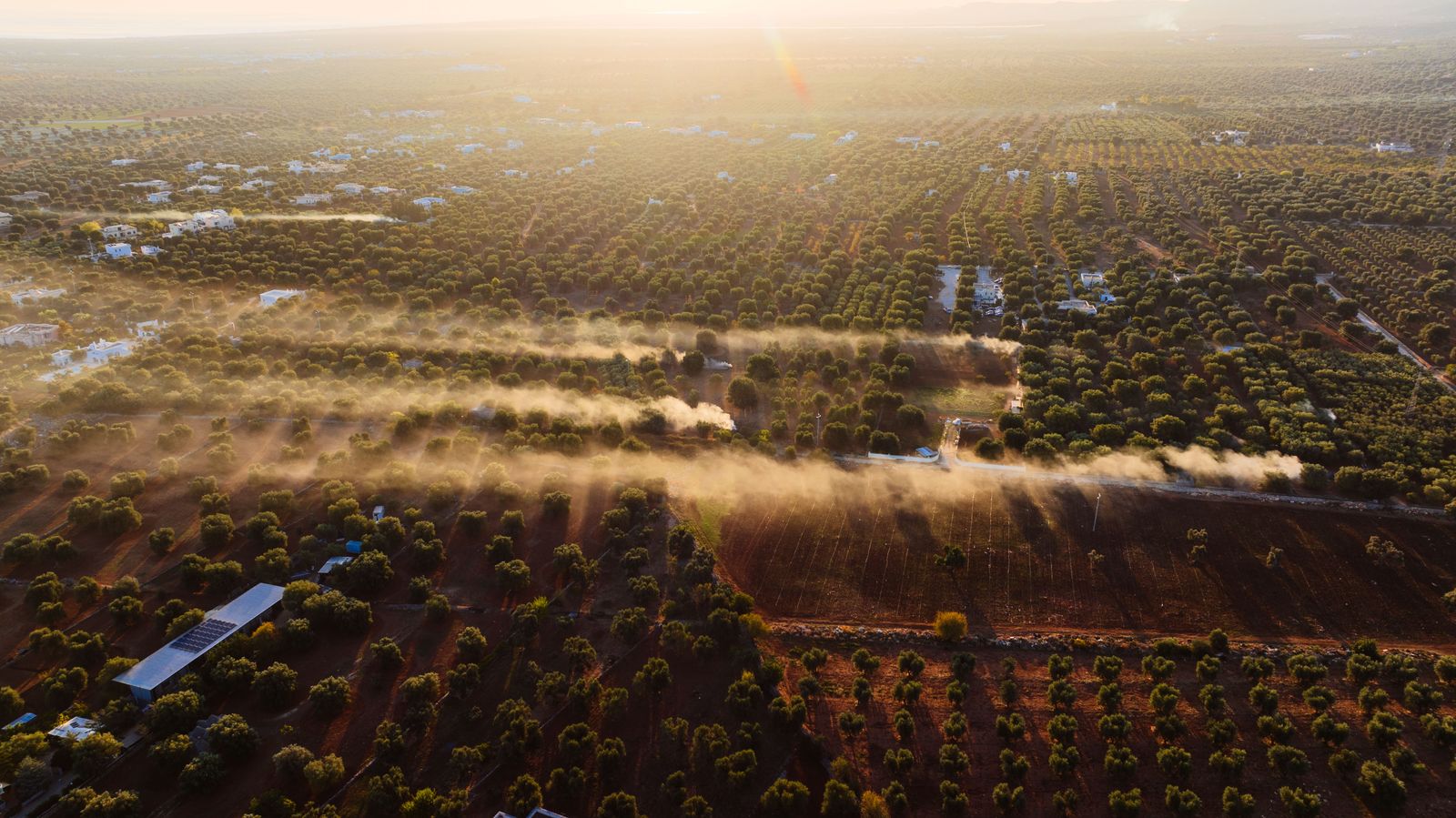
A garden that works like a forest
A food forest layers fruit and nut trees over shrubs, berries, and ground cover. Each layer supports the rest: shade, mulch, pollinators, living soil.
Once established, a food forest can ask for less work and can yield more food, when water, soil, and care hold. The hard part is knowing whether your land, your water, and your week can carry it. That is what this planner is for.
How you get there
- Assess your land. Draw your plot in the free map tool. We measure area, climate, water, and what you can realistically maintain.
- Get an honest read. You get a viability band with the main helpers and blockers. Walking away counts as a win.
- Plant with a plan. The full planner turns your assessment into a phased planting plan: what goes where, and in which year. It is under construction now.